Home Dialysis Access
Kidney CareDialysis Access Care, Close to Home
FCCI has a 10-year tradition of caring for people with chronic kidney disease and has performed thousands of hemodialysis access procedures in its outpatient cath labs in Duval and Putnam counties.
Why it matters
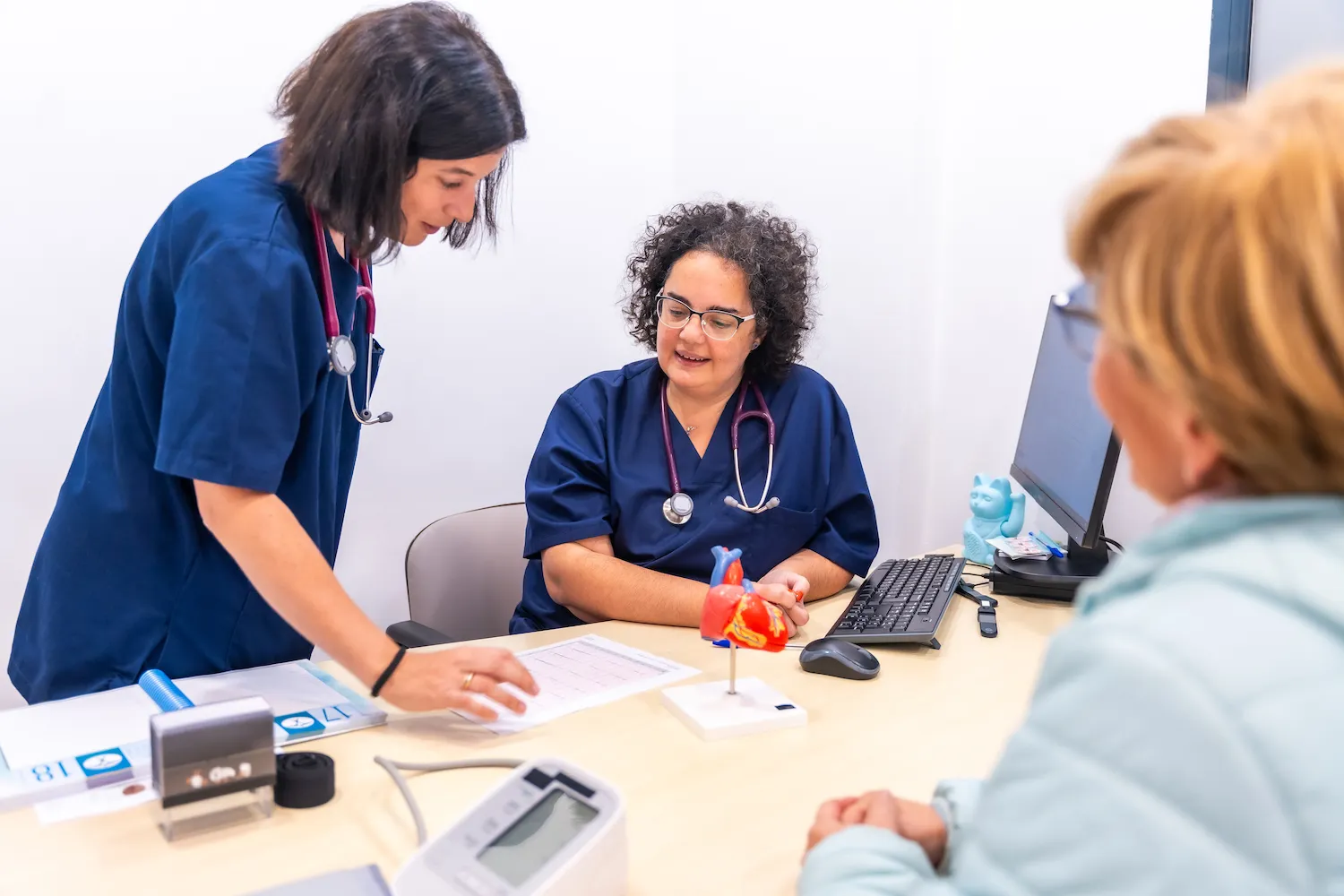
Dialysis depends on a working fistula or graft. When one clogs or narrows, treatment can be delayed. FCCI's board-certified cardiologists work closely with your nephrologist and dialysis center, and your care team gets immediate feedback so care stays fast and complete.
FCCI says its approach has reduced infection rates, hospital trips and catheters for its patients.
Fast access care helps keep you on your dialysis schedule. FCCI's outpatient labs in Duval and Putnam counties are set up to see dialysis patients quickly and send feedback straight to your kidney team, so everyone knows what was done and what comes next.
A few minutes of notes helps the team understand your fistula or graft. List what you feel, when it started and what changes it, then bring your medicines (supplements too), insurance card and photo ID.
Access maintenance for AVF and AVG
- Angiogram
- Declot (thrombectomy)
- Angioplasty and stent placement
- Pseudoaneurysm repair (endograft placement)
- Embolization management
- Access steal syndrome management, including the miller banding procedure
Tell your dialysis team right away if the thrill (buzz) in your access feels weaker or is gone, if the arm swells or turns cold or painful, if bleeding lasts longer after treatment, or if alarms go off more often during dialysis. These can be signs your fistula or graft needs attention.
Scheduling for your fistula or graft is by phone. Dial 904.493.3333, or use 904.644.0092 (Orange Park) or 386.325.2836 (Palatka). Keep medical information off web forms; the staff will take it by phone or at check-in.
Coverage for your fistula or graft: FCCI takes Medicare, Tricare, Blue Cross Blue Shield, Aetna, Cigna, United Healthcare, Humana (with some exceptions) and many other plans. Not sure about yours? The front desk will check when you call.
Ultrasound, catheters and same-day labs
FCCI offers artery and venous ultrasound, DVT studies, AVF mapping and central venous studies. It removes hemodialysis tunnel catheters and places temporary catheters for emergent dialysis; it does not place tunneled catheters. Point-of-care stat labs check potassium and hemoglobin to guide quick decisions.
The team can also tell your nephrologist whether urgent dialysis is needed or whether it can safely wait until the next day, and keeps IV calcium, bicarb, insulin and kayexalate on site to help avoid hospital admissions.
One thing worth knowing about your fistula or graft: FCCI pioneered outpatient catheterization in this region, an approach it says trims out-of-pocket costs and feels more relaxed than a hospital. The Jacksonville lab dates to 2007 and the Palatka lab to 2016, both accredited by the Accreditation Association for Ambulatory Health Care.
Getting seen
Ask your nephrologist or dialysis center about FCCI, or call 904.493.3333. In Palatka, call 386.325.2836.
Protect your access every day: no blood pressure cuffs or blood draws on that arm, no tight sleeves or watches, and do not sleep on it. Check the thrill daily and keep the site clean. Ask your nephrologist or dialysis center to send records to FCCI before your visit.
Results about your fistula or graft are reviewed by your doctor, who then builds a plan around you. That can mean a walking routine and medicine, or a procedure if blood flow needs help.
Getting ready for a procedure related to your fistula or graft means sticking to the eating and medicine plan the team gives you. If you have diabetes, expect extra guidance on your medicines.
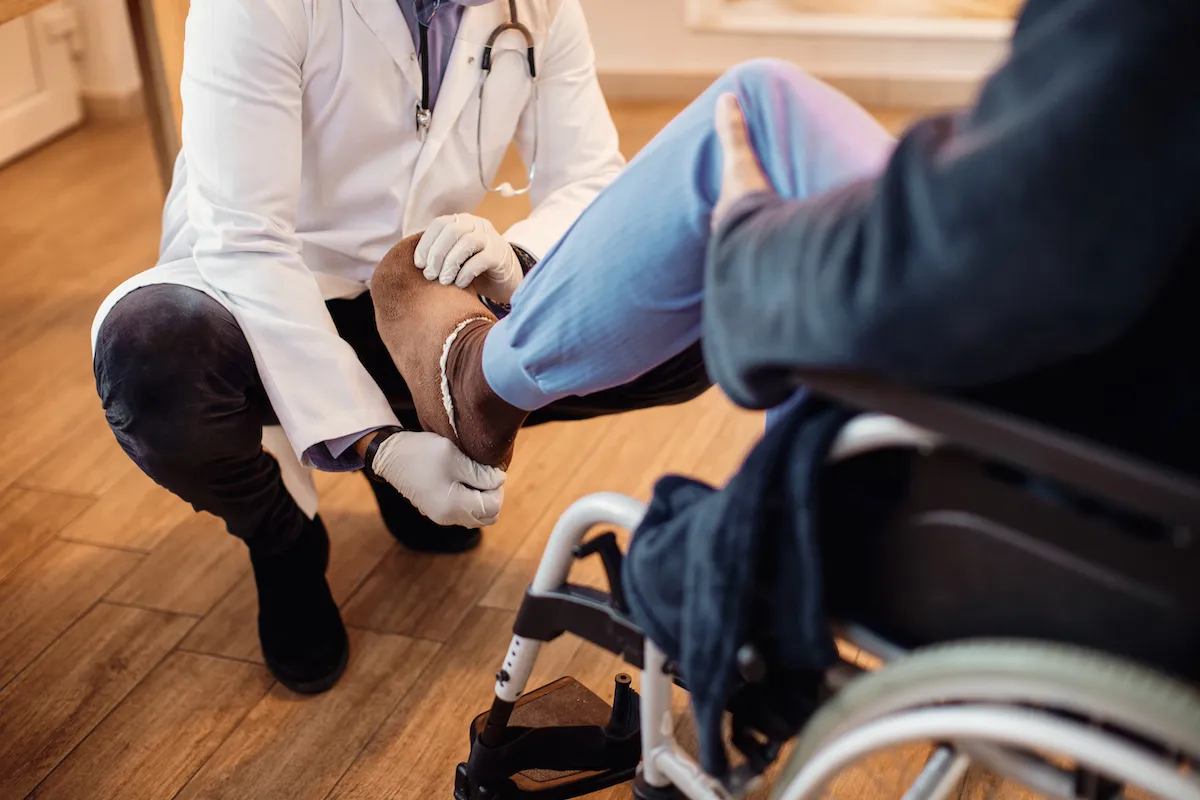
Dr. David Swain, a podiatric surgeon, helps with your fistula or graft. His focus is wound care and limb salvage, he holds board certification in Limb Preservation and Salvage, and he volunteers with A Leg Up: The Jacksonville Amputation Support Group.
Can a clotted fistula be fixed as an outpatient?
FCCI performs declots (thrombectomy), angioplasty and stent placement for fistulas and grafts in its outpatient cath labs.
Does FCCI place tunneled dialysis catheters?
No. FCCI removes tunnel catheters and can place temporary catheters for emergent dialysis, but does not place tunneled catheters.
Where are FCCI's dialysis access labs?
In Duval County (Southside, Jacksonville) and Putnam County (Palatka).