A small blister or cut on the foot should start to look better within days. If yours has been open for weeks, keeps coming back or is getting darker, something is getting in the way of healing. Very often that something is blood flow. That is why FCCI treats wounds with wound care specialists and vascular cardiologists working together under one roof.
Healing runs on blood
Every step of healing needs oxygen and nutrients, and blood delivers them. If plaque has narrowed the arteries in your leg, the skin on your foot can be starved of what it needs. FCCI's vascular lab lists non-healing foot wounds and gangrene among the symptoms that may lead a doctor to test for peripheral artery disease.
Types of wounds FCCI sees
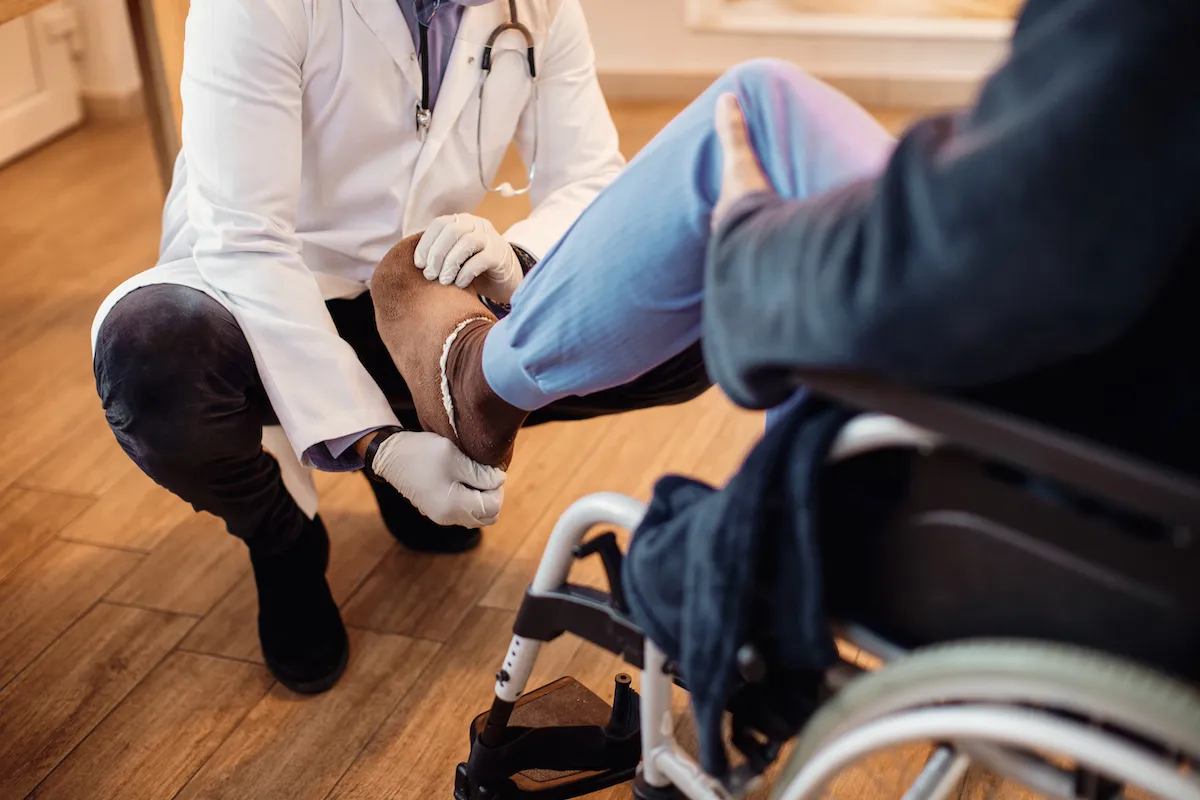
FCCI's Wound Care Specialists are experienced in diagnosing many kinds of leg and foot wounds. Knowing which kind you have shapes the treatment.
- Diabetic foot ulcers
- Arterial ulcers from poor blood flow
- Venous ulcers from vein problems
- Pressure ulcers
- Traumatic and surgical wounds
Other things that slow healing
Diabetes can affect blood vessels and nerves, so sores may go unnoticed and heal slowly. Pressure from shoes or lying in one position keeps reopening skin. Infection and swelling also get in the way. A good plan looks at all of these, not just the wound itself.
How FCCI treats stubborn wounds
FCCI offers hyperbaric oxygen treatment, skin grafts, amniotic membrane therapies, vascular testing, early endovascular intervention and preventative surgery. If testing finds a blockage, a cardiologist can work to restore flow in the outpatient cath lab, then the wound team continues care.
Dr. David Swain, a podiatric surgeon specializing in wound care and limb salvage, has been with FCCI since 2013.
What you can do at home
Follow your care team's dressing instructions. Keep pressure off the wound. Check both feet every day. Control blood sugar if you have diabetes. Stop tobacco. And call if the wound changes color, smells, drains more, or the skin around it turns red and warm.
Wound care and vascular care in one practice
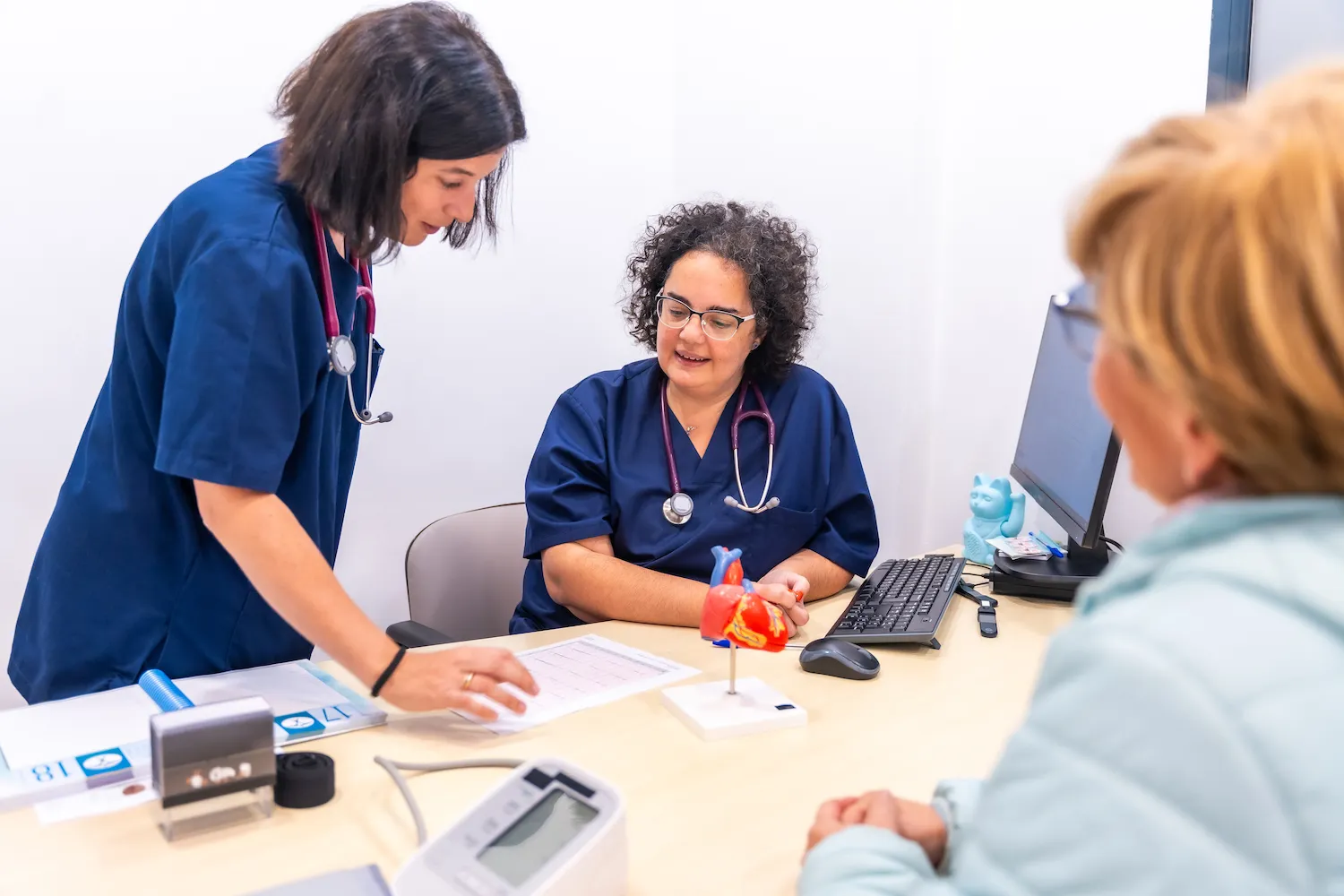
At FCCI you do not have to bounce between offices. Wound care specialists and board-certified cardiologists share one practice, test for arterial blockages, and build a plan to bring blood flow back when that is what is holding healing up.
Treatment may involve hyperbaric oxygen, a skin graft, amniotic membrane therapy, early endovascular work or preventative surgery. Dr. David Swain, a podiatric surgeon board certified in Limb Preservation and Salvage, is part of the team and volunteers with A Leg Up: The Jacksonville Amputation Support Group.
When an artery has to be reopened
If testing shows a blockage, FCCI's cath lab uses peripheral angiography for a clear picture, then atherectomy devices, balloons or stents. Calcium-heavy blockages can be cracked with Shockwave Medical's lithoplasty system. It works through a tiny incision at the wrist or groin, most cases take 1 to 3 hours plus 1 to 5 hours of recovery, and FCCI treats amputation as the very last option. If you have diabetes, you will get specific guidance on your medicines beforehand.
Bring the wound's story
A photo of the wound from week one, a rough date it started and a list of what you have tried can save a lot of back and forth. Add your medicines, insurance card and ID, and tell the team about diabetes, kidney disease or smoking.
A wound that has stalled is worth a phone call this week: 904.493.3333, or 904.644.0092 for Orange Park and 386.325.2836 for Palatka. You can also start on the booking page. This article is for general reading only. Spreading redness, fever or a foot turning dark are reasons to get emergency care or call 911.