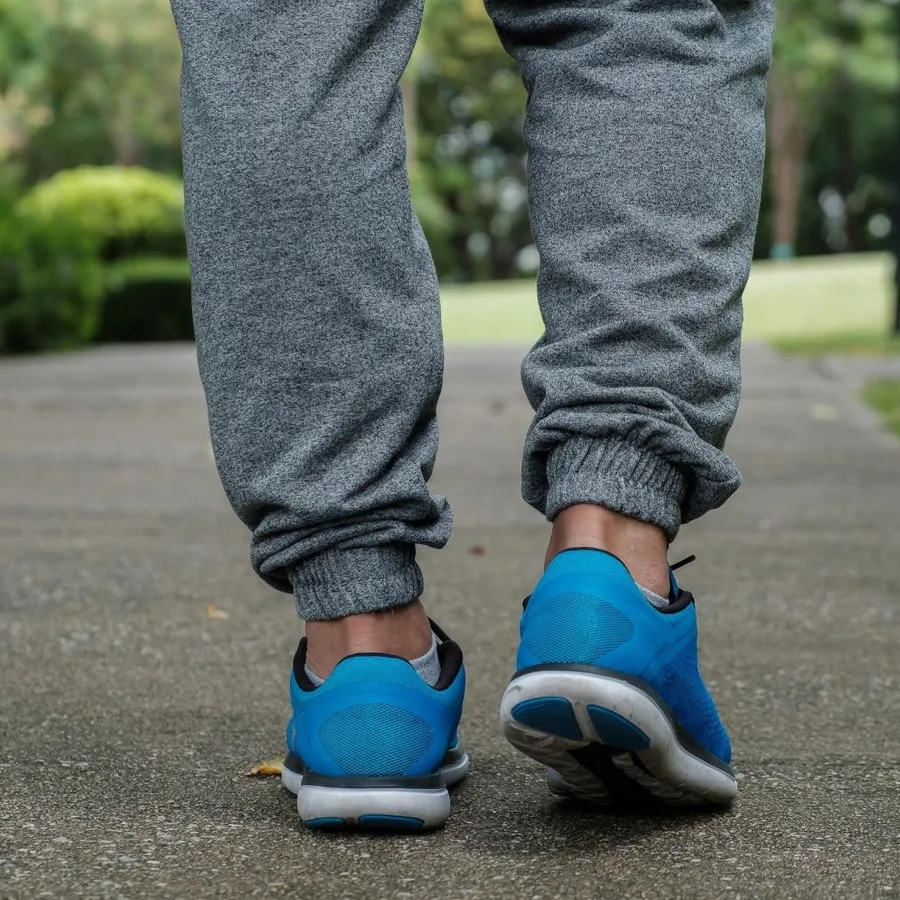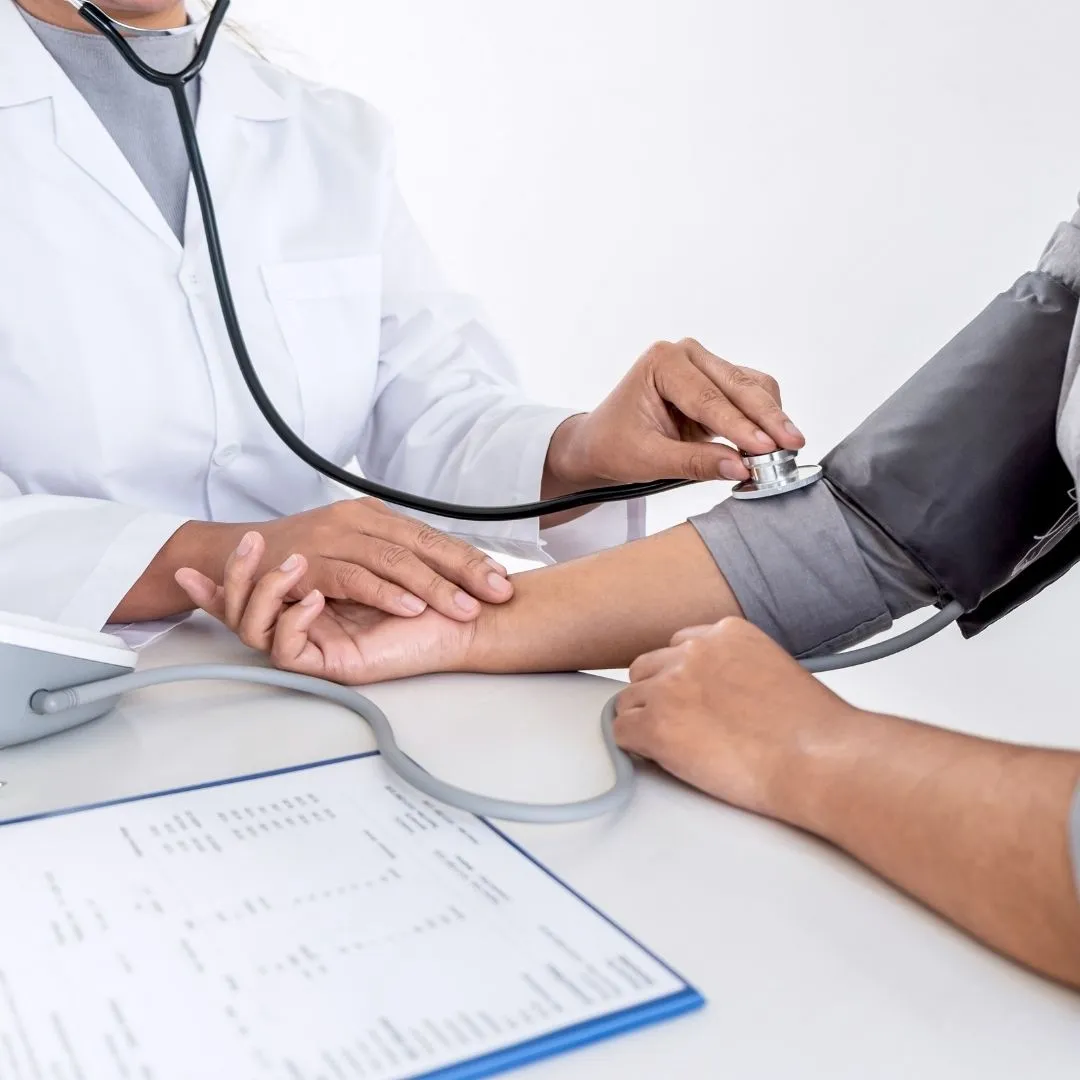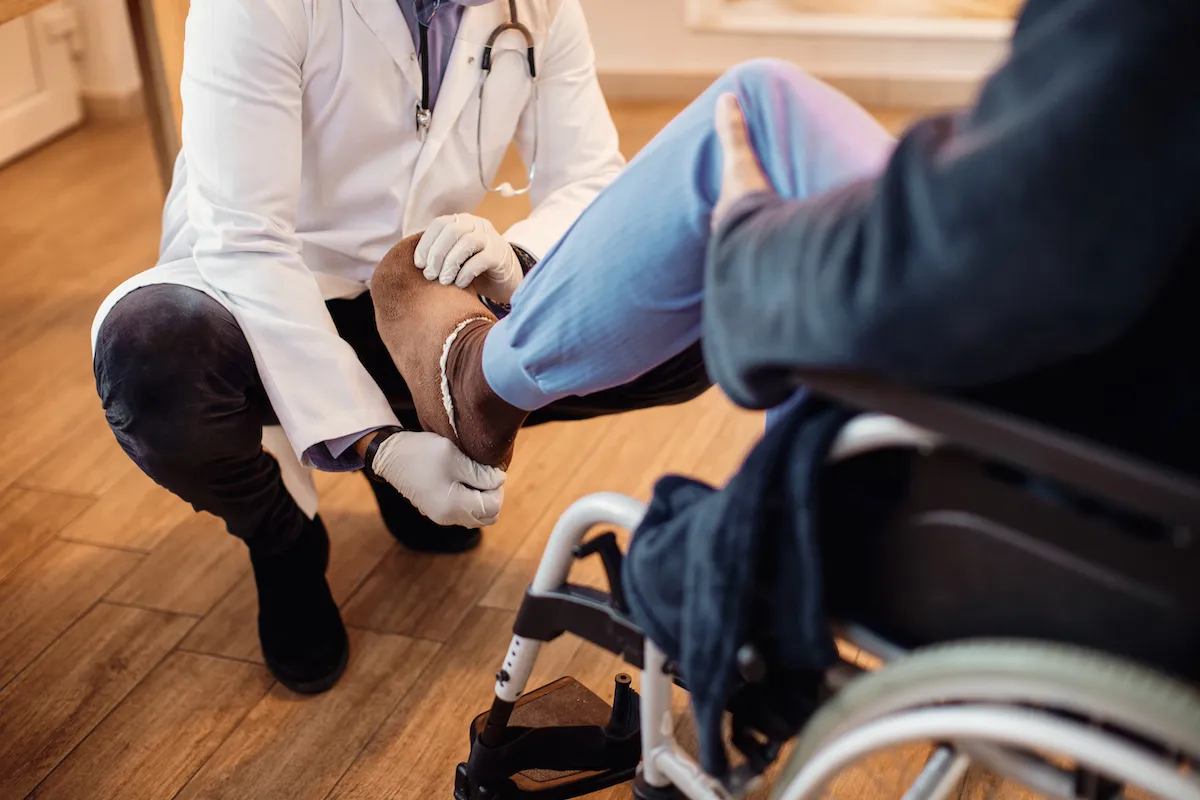
If you help care for a parent, spouse or friend, you may notice things they miss: a limp, a sore on the foot, shoes they stopped wearing, walks they quietly skip. Those can be signs of poor circulation. Here is how to spot trouble early and help your loved one get checked.
Signs to watch for
Older adults often downplay symptoms. Keep an eye out for these.
- Walking less or stopping often because of leg pain
- Feet that look pale, bluish or feel cold
- Sores on the feet or toes that do not heal
- Shiny skin or hair loss on the lower legs
- Swelling, heaviness or varicose veins
Help with daily foot checks
If your loved one has diabetes or trouble bending, offer to look at their feet each day. Check between toes and on the heels. Note any changes with a photo and the date so you can show the doctor.
Getting the right appointment
Call FCCI to schedule. Bring the medicine list, insurance cards and your notes. FCCI accepts Medicare, Tricare and many other plans. Ask whether a vascular ultrasound is needed and how to prepare.
Questions worth asking
Bring these to the visit.
- What is causing the symptoms?
- What test is next, and how long will it take?
- What can we do at home?
- What signs mean we should call right away?
Know the emergencies
Call 911 for a leg or foot that suddenly turns cold, pale, numb or very painful, sudden one-sided weakness or trouble speaking, or chest pain. Take care of yourself too; caregiving is a lot.
One team for wounds and circulation
If your loved one has a slow-healing sore, you will not have to coordinate two offices. FCCI's wound care specialists and board-certified cardiologists share one practice, and Dr. David Swain, a podiatric surgeon board certified in Limb Preservation and Salvage, is part of that team. Testing at FCCI's accredited Non-Invasive Vascular Lab uses ultrasound and cuffs, so it is easy on someone who is frail or anxious.
Why families choose FCCI
FCCI has served Northeast Florida since 2002 from offices in Duval, Clay, St. Johns, Putnam and Ware counties. Much of its treatment is outpatient, in accredited labs in Jacksonville and Palatka, which can mean less time away from home. It works with Medicare, Tricare, Blue Cross Blue Shield, Aetna, Cigna, United Healthcare, Humana (some exceptions apply) and many others.
You can make the call on their behalf: 904.493.3333, or 904.644.0092 for Orange Park and 386.325.2836 for Palatka, or go through the booking page. Have them nearby in case the office needs their OK to talk with you. This guide is not medical advice for them or you, and a cold, pale or suddenly painful leg calls for 911.